Finsbury Park guide to planting on Seven Sisters Road
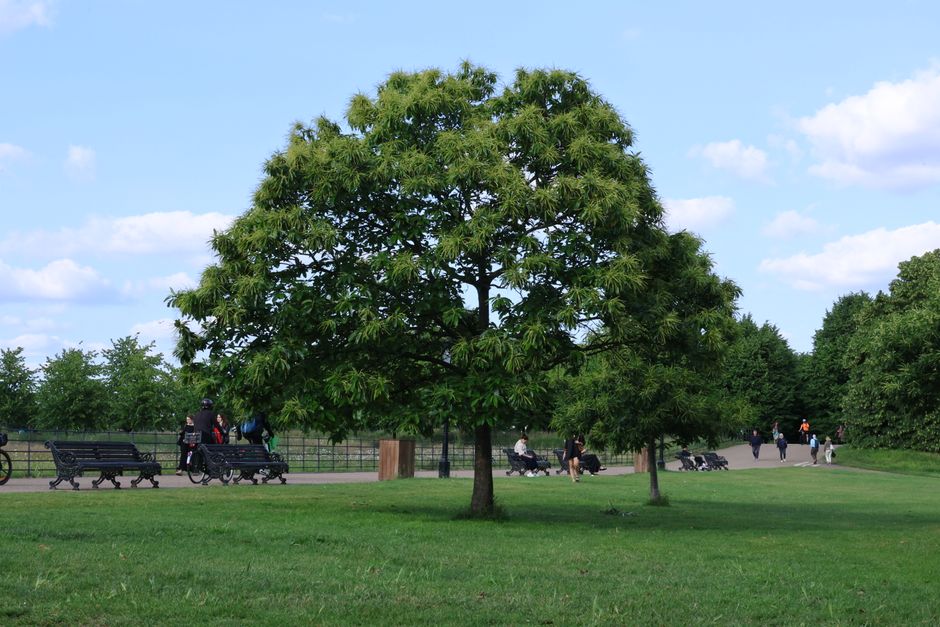
If you are trying to plant up a front garden, courtyard, balcony edge, or a small patch by the pavement on Seven Sisters Road, you will already know the problem: London space is tight, the light can be awkward, and a planting plan that looks lovely on paper can flop in real life. This Finsbury Park guide to planting on Seven Sisters Road is here to make the job feel a lot less guessy and a lot more doable.
We will look at what works in this part of North London, how to choose plants that can actually cope with busy street conditions, and what to do before you put a single spade in the soil. There is no magic trick, honestly. But there is a sensible way to plant for structure, colour, resilience, and easier upkeep. That is what this guide is about.
One quick note: if your project is part of a larger outdoor refresh, it can help to think beyond planting alone. A tidy site, good soil preparation, and the right support from services like garden maintenance or broader gardening services can save a lot of faff later on. And yes, faff is exactly the word.
Why Finsbury Park guide to planting on Seven Sisters Road Matters
Seven Sisters Road sits in that classic London mix of hard edges, passing traffic, pockets of shade, reflected heat, and little opportunities to soften a property with greenery. Planting here is not just decoration. It can help a space feel calmer, more welcoming, and better cared for. For shopfronts, rental properties, and homes near a main road, that visual lift matters more than people often admit.
But planting in this kind of setting also has a practical side. The wrong shrubs can block windows, the wrong soil can dry out too fast, and the wrong layout can make day-to-day upkeep feel like a second job. If you have ever seen a planter box looking sorry for itself by late August, you will know the feeling. Truth be told, a lot of planting failures are not about the plant. They are about the site.
In Finsbury Park, and along roads like Seven Sisters Road, planting has to balance three things at once: appearance, durability, and maintenance. That balance is where good planning earns its keep. A well-chosen border or container scheme can handle pollution, wind tunnels between buildings, and the stop-start watering rhythm that happens in real life, not in ideal garden magazines.
It also helps with biodiversity. Even a small planting scheme can give pollinators a better chance, add shelter for birds, and soften surfaces that would otherwise reflect heat all summer. Small win, sure, but the small wins add up.
How Finsbury Park guide to planting on Seven Sisters Road Works
The basic process is straightforward, though the details matter. First you assess the site, then you decide what kind of planting you actually want, and only then do you choose species and materials. Skipping that order is where people get into trouble. To be fair, it is easy to do when you are excited and want the space to look better quickly.
On Seven Sisters Road, a planting plan normally starts by asking a few plain questions:
- How much sun does the area get, and at what time of day?
- Is the soil exposed, compacted, or mostly absent because you will use containers?
- Will the plants need to screen views, frame an entrance, or simply add colour?
- How much time will you realistically spend watering and pruning?
- Is the space exposed to road dust, dog traffic, or frequent footfall?
Once you know that, you can build a scheme that fits the conditions rather than fighting them. In practice, that often means using a mixture of evergreen structure, seasonal colour, and tough ground cover. It may also mean choosing raised beds, larger planters, or a layered design that keeps roots healthier and maintenance more manageable.
For larger sites, planting is often easiest when it sits inside a wider landscaping plan. If the area needs new levels, edging, path definition, or a refreshed layout, the planting will usually perform better once the surrounding hard landscape is settled. That is where landscape gardening and landscaping can become part of the picture rather than separate jobs.
Key Benefits and Practical Advantages
Good planting on a busy road is not just about "making it pretty". It can solve several everyday problems at once.
- Better kerb appeal: A tidy, well-balanced planting scheme makes a property look cared for even before someone steps inside.
- Softens hard surfaces: Plants break up brick, concrete, railings, and paving, which can otherwise feel a bit severe.
- More privacy and structure: Shrubs and layered planting can screen awkward views without making the space feel boxed in.
- Lower stress maintenance: If you choose the right species, the space stays manageable instead of becoming a constant rescue mission.
- Seasonal interest: A sensible mix of foliage, flowers, and texture means the space looks alive beyond one short burst of colour.
- Better site resilience: Robust planting copes better with road conditions, summer dry spells, and everyday wear.
There is also a less obvious benefit: better planting can make a small outdoor area feel bigger. A little depth in the planting line, or a few taller plants positioned well, can change how people move through the space. The eye does funny things. A narrow frontage can feel more generous if the planting is arranged with rhythm instead of randomly dotted around like an afterthought.
If maintenance is a concern, pairing planting with regular upkeep from a trusted garden maintenance plan can help preserve the look without constant catch-up work. That matters on a road like Seven Sisters Road, where dust, weather, and heavy use can wear a scheme down faster than you expect.
Who This Is For and When It Makes Sense
This kind of planting guidance is useful for a wide range of people, not just keen gardeners. In fact, some of the best outcomes come when the owner is practical rather than overly ambitious.
You may need this approach if you are:
- a homeowner wanting to improve a front garden or entrance area
- a landlord or letting agent trying to keep a property presentable
- a business owner wanting a more polished frontage
- someone with a small courtyard or side return that needs structure
- a resident with a neglected patch that needs a fresh start
- a person planning a redesign that also needs clearing, pruning, or layout changes
It makes sense to focus on planting now if the space looks bare, overgrown, patchy, or inconsistent across the seasons. It also makes sense if you are tired of replanting the same area every year because the previous choices were too delicate or too thirsty. Been there, seen that, fixed it.
On the other hand, if the site is full of rubble, poor-quality fill, or old root material, starting with clearance can be the smarter first move. In those cases, a proper garden clearance step gives you a clean base to work from, which is often the difference between a quick cosmetic patch and a scheme that lasts.
Step-by-Step Guidance
Here is the practical version. Not the glossy version. The real one.
- Survey the site properly. Look at sun, shade, wind, drainage, access, and how much use the area gets each day. Walk it in the morning and again later if you can. A spot can feel very different at 8 a.m. than at tea time.
- Clear away what is not working. Remove dead growth, broken containers, compacted debris, and anything that will compete with new roots. If the area is cluttered, clear it first rather than planting around problems.
- Check the soil or growing medium. If you are planting into beds, the soil may need loosening and composting. If you are using containers, choose a quality mix with good drainage and water retention.
- Decide on the plant roles. Some plants provide structure, some give colour, some act as filler, and some are there to soften edges. That is a useful way to think about it. Every plant should have a job.
- Choose resilient species first. On a busy London road, that usually means durable, adaptable plants rather than fussy exotics.
- Plant in layers. Put taller structural plants at the back or centre, medium plants in the middle, and lower ground cover near the edges. This gives the scheme depth without crowding.
- Water in properly. New planting should be watered deeply rather than given tiny daily sprinkles. The root ball needs a proper soak so the roots are encouraged to spread.
- Mulch and monitor. A mulch layer helps retain moisture and reduces weeds. Then check the area regularly for settling, dryness, or pest issues.
Here is the bit many people miss: a planting job is not really "finished" on day one. It enters a settling phase. The first few weeks matter a lot. If you stay on top of watering and make small adjustments early, the whole scheme has a much better chance of bedding in well.
Expert Tips for Better Results
Most planting problems are predictable. That is the good news. The even better news is that they are usually avoidable.
- Prioritise structure over novelty. A few reliable evergreen or architectural plants can do more for a frontage than a crowded mix of short-lived colour.
- Match plants to light, not hopes. If the area is shaded for most of the day, choose shade-tolerant plants. Hoping a sun lover will "adapt" is usually wishful thinking.
- Use larger containers where possible. Bigger pots hold moisture more evenly and reduce root stress. Small pots dry out fast, especially in summer.
- Think in seasons. Choose a planting palette that still looks good in January, not only in May.
- Allow room for growth. Plants that seem tidy in spring can become crowded by late summer if spacing is too tight.
- Use repetition. Repeating a few plant types across a frontage looks more coherent than stuffing in one of everything.
We often find that people overcomplicate small spaces. A strong layout, three or four reliable plant choices, and a decent maintenance rhythm will beat a crowded "bit of everything" approach nearly every time. It is not glamorous advice, but it works.
If you are also improving paths, boundaries, or a tired side return, consider whether hedge trimming or other boundary work is needed to let the planting breathe. A hedge that is too heavy can swallow light and undo your careful plant selection. Little things, big difference.
Common Mistakes to Avoid
Some mistakes crop up again and again, especially in urban planting. You do not need a perfect garden. You just need to avoid the classic traps.
- Planting without checking light levels. It sounds obvious, but it is one of the most common reasons for weak growth.
- Ignoring drainage. A plant can suffer just as much from waterlogging as from drought.
- Choosing thirsty species for a low-maintenance site. If you will not be there every day, keep it realistic.
- Using poor soil or tired compost. Good planting starts below the surface. Always.
- Overcrowding. Young planting can look sparse, which tempts people to cram it in. Resist that urge.
- Forgetting access for maintenance. If you cannot reach the back of a bed or container easily, maintenance becomes awkward fast.
- Neglecting aftercare. New planting needs monitoring, especially through the first dry spell or windy week.
A slightly messy truth? A lot of "bad gardens" are really just poorly maintained good ideas. If the basic structure is sound, regular attention from a service like lawn mowing, pruning, or seasonal upkeep can keep the whole area looking tidy without constant rework.
Tools, Resources and Recommendations
You do not need a shed full of kit to plant well, but the right tools make the job cleaner and easier. For small urban spaces, a simple set is usually best.
- hand trowel and border fork
- watering can or hose with controlled flow
- secateurs for light trimming and deadheading
- spade for larger beds or soil work
- gloves that actually fit properly
- mulch or compost suited to the planting type
- plant labels or a simple layout note, especially if you are planting in stages
For bigger or more involved jobs, the practical support options matter too. If you are reshaping a garden rather than simply adding a few plants, it can help to look at landscape gardening alongside planting. And if the job is more than you want to handle alone, you can review the team background on the about us page before deciding how to proceed.
Recommendation-wise, keep a short plant list. Three layers are often enough: a structural layer, a mid-layer, and a low layer. That keeps decisions manageable and the result visually calm. A very crowded plant list is a classic beginner move. Nothing wrong with enthusiasm, of course, but your future self has to water it all.
Law, Compliance, Standards and Best Practice
Planting itself is usually straightforward, but in a place like Seven Sisters Road you should still think carefully about practical obligations and site safety. If the work affects shared access, pavements, retaining edges, or boundary structures, it is wise to check responsibilities before starting. The exact position depends on the property and the arrangement of the land, so caution is better than assumption.
Best practice in the UK context usually includes the following:
- making sure new planting does not obstruct access routes, windows, or visibility
- avoiding damage to underground services, drainage points, or shared structures
- using safe methods when lifting soil, stones, bags, or planters
- choosing plants and layouts that can be maintained without unsafe overreaching
- being considerate about overgrowth where a boundary is shared with neighbours or passers-by
If larger trees, heavy pruning, or removal is involved, that becomes a different job entirely. In those cases, it is sensible to treat it as a specialist task and, where needed, use a service such as tree lopping and removal rather than improvising. Safety first, always.
For customers who care about trust and process, it can also be reassuring to review practical policies such as health and safety policy, insurance and safety, and recycling and sustainability. Those pages help show how a professional service thinks about its work beyond the visible finish.
Options, Methods and Comparison Table
Different planting methods suit different types of frontage and different levels of upkeep. Here is a straightforward comparison to help you decide.
| Method | Best for | Advantages | Watch-outs |
|---|---|---|---|
| Direct ground planting | Established beds and front gardens | Natural look, good root space, usually lower long-term cost | Needs decent soil and more site preparation |
| Container planting | Pavement edges, courtyards, rented spaces | Flexible, easy to rearrange, great for small sites | Dries out faster, needs more watering |
| Raised beds | Poor soil or uneven ground | Improved drainage, better control over soil quality | Can cost more and needs structural care |
| Mixed landscape approach | Larger refurbishments | Balanced, polished, integrates hard and soft landscaping | Needs planning and sometimes more upfront work |
If your aim is a tidy, stable frontage with low stress, containers can work brilliantly. If you want a stronger long-term planting scheme with room for roots, ground beds are usually better. A mixed approach is often the sweet spot where space and budget allow. There is no single winner, despite what people sometimes pretend on social media.
Case Study or Real-World Example
Here is a realistic example. Imagine a narrow frontage near Seven Sisters Road with a small bed, a couple of tired shrubs, and one large planter that has seen better days. The owners want it to look smarter without turning it into a full redesign.
The first move is to clear dead material and check what is actually salvageable. After that, the planting plan might use one evergreen structure plant, one flowering shrub with a long season, and a low ground cover to keep the base neat. The soil is refreshed, mulch is added, and the containers are shifted slightly so the display catches the eye from the pavement instead of disappearing into the wall.
What changes? Not just the look. The frontage starts to feel intentional. Maintenance becomes simpler because the owners know what each plant is doing. And because the scheme is not overcrowded, there is room for growth without immediate reshaping. The best part is that the space still looks good a month later, which is really the test, isn't it?
In a slightly larger project, that same frontage could be paired with an improved entrance route or a cleaner boundary line. If the surrounding space needs structural improvement too, you may find that planning the planting with wider service support produces a much more joined-up result than treating each element separately.
Practical Checklist
Use this before you plant. It keeps the project grounded.
- Have I checked how much sun and shade the area gets?
- Do I know whether the soil is workable or needs refreshing?
- Have I cleared debris, dead growth, and obvious obstacles?
- Have I chosen plants that suit the site, not just the look I want?
- Will the layout still make sense in six months?
- Can I water and prune everything safely and easily?
- Have I left space for growth and access?
- Do I have a simple maintenance plan for the first few weeks?
- Is there a need for related work such as hedge trimming, clearance, or lawn care?
- Do I want a professional quote before starting?
This is the sort of list that saves money later. And frustration. Mostly frustration, if we are being honest.
Conclusion
A smart planting scheme on Seven Sisters Road does not need to be extravagant. It needs to be well judged. If the site is busy, exposed, small, or a bit awkward, that is not a problem in itself. It just means your planting choices have to work harder and your layout has to be sensible from the start.
The best results usually come from a clear plan: assess the space, prepare it properly, choose resilient plants, and keep the first few weeks of aftercare tight. Whether you are refreshing a front garden, improving a rental property, or softening a hard urban frontage, thoughtful planting can make a real difference.
If you want the area to feel calmer, greener, and easier to live with, that is a very good place to start. One well-planted space can change the feel of the whole property. No exaggeration there, just experience speaking.
Get a free quote today and see how much you can save.
Frequently Asked Questions
What is the best type of planting for Seven Sisters Road?
The best planting usually combines resilient structure, seasonal colour, and easy maintenance. In a busy urban setting, plants that tolerate wind, dry spells, and variable light tend to perform best.
Should I use containers or plant directly into the ground?
It depends on the space. Containers are flexible and good for small or rented areas, while ground planting is usually better for long-term growth if the soil is workable.
How do I know if my garden has enough sunlight?
Observe the space at different times of day. Morning sun, afternoon sun, and full shade all support different plant choices, so a quick look at one hour is rarely enough.
Do I need to clear the area before planting?
Usually, yes. Removing dead growth, debris, and compacted material gives plants a far better start and makes the final layout look cleaner.
What are the biggest mistakes people make when planting near a main road?
The biggest mistakes are choosing the wrong plants, overcrowding, ignoring drainage, and forgetting how much upkeep the space will need once everything is in place.
How often should new planting be watered?
New planting needs regular checking, especially in the first few weeks. The exact frequency depends on weather, soil, container size, and plant type, so there is no one-size answer.
Can planting help improve kerb appeal?
Yes, absolutely. Even a modest planting scheme can soften a frontage, make a property look better cared for, and give the whole entrance a more finished feel.
Is maintenance really that important after planting?
Yes. The first stage after planting is settling in, and plants often need extra care then. After that, routine upkeep keeps the scheme looking intentional rather than overgrown.
What should I do if the soil is poor or compacted?
You may need to improve it with compost, mulch, or a raised-bed approach. In some cases, a full clearance and reset is the cleaner option.
Do I need professional help for planting on Seven Sisters Road?
Not always, but it can be useful if the space is awkward, overgrown, or part of a wider landscaping project. Professional help can also be reassuring when safety, access, or long-term maintenance is a concern.
How can I keep planting looking good without spending every weekend on it?
Keep the plant palette simple, use tougher species, mulch well, and build in regular light maintenance. A sensible design is easier to live with than a complicated one.
Where can I learn more about the company and its approach?
You can start with the about us page, then review practical pages such as pricing and quotes if you are planning a project and want to understand the process more clearly.