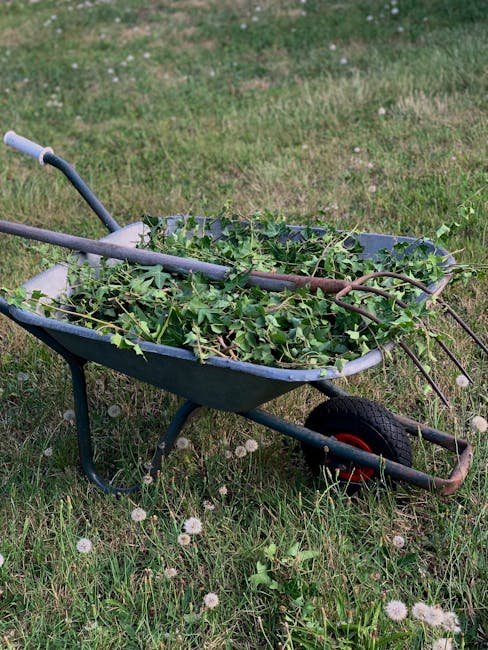
N4 Garden Clearance and Gardeners Available Today: Fast, Practical Help for a Tidy Outdoor Space
If you need N4 garden clearance and gardeners available today, you're probably dealing with one of those jobs that has quietly got out of hand. A garden can go from "a bit overgrown" to "where do I even start?" surprisingly fast, especially after wet weather, a busy month, or a season of hedge growth that seems to have a life of its own. The good news is that same-day or short-notice help can make a real difference.
This guide explains what garden clearance usually involves, how a fast-response gardening visit works, what to expect from a professional team, and how to judge whether you need clearance, maintenance, or a broader tidy-up. It also covers safety, waste handling, and the small details that save time and hassle later. Truth be told, that's often the part people wish they'd known earlier.
Contents
- Why N4 garden clearance and gardeners available today Matters
- How N4 garden clearance and gardeners available today Works
- Key Benefits and Practical Advantages
- Who This Is For and When It Makes Sense
- Step-by-Step Guidance
- Expert Tips for Better Results
- Common Mistakes to Avoid
- Tools, Resources and Recommendations
- Law, Compliance, Standards, or Best Practice
- Options, Methods, or Comparison Table
- Case Study or Real-World Example
- Practical Checklist
- Conclusion
- Frequently Asked Questions
Why N4 garden clearance and gardeners available today Matters
A neglected garden is more than just an eyesore. In practice, it can become harder to use, harder to maintain, and harder to enjoy. Once weeds spread through borders, lawn edges disappear, and hedge growth starts blocking paths or light, the job becomes bigger than a weekend tidy. That's when fast help matters.
For N4 homes, quick garden clearance can be especially useful after a period of rain, during seasonal growth spurts, or when a property needs to be presented well for sale, rental, or visiting guests. A tidy exterior changes the feel of a home immediately. You notice the space feels lighter, cleaner, more intentional. Even a small back garden can look twice as usable after the clutter is gone.
There's also a practical angle. Overgrown gardens can hide broken pots, unstable fencing, slippery surfaces, and awkward trip hazards. If you're trying to clear a path to sheds, bins, drains, or side access, you want someone who can do the work efficiently and safely. That's where professional gardeners available today can save you a lot of faff.
If you want to understand the broader range of help available, the services overview gives a useful picture of how clearance fits alongside routine care, lawn work, hedge cutting, and more structured landscaping work.
How N4 garden clearance and gardeners available today Works
Fast garden clearance is usually a straightforward process, but the best results come from a proper assessment rather than a rushed guess. A gardener may ask for photos, a short description, or a quick look at the site before confirming what can be done on the day. That matters because a front garden with leaf build-up is very different from a rear garden with bramble growth, heavy green waste, or awkward access.
Typically, the process looks something like this:
- Initial assessment - You explain what needs clearing, what the access is like, and whether there are any priority areas.
- Scope of work - The gardener identifies the main tasks: cutting back growth, removing waste, clearing beds, edging, sweeping, and so on.
- On-site clearance - The team works through the garden in a logical order so the space becomes usable again rather than simply "less messy."
- Waste handling - Green waste is gathered, loaded, and taken away or prepared for responsible recycling, depending on the service arrangement.
- Finish and tidy-up - Paths are swept, obvious debris is removed, and the garden is left ready for whatever comes next.
Some jobs are a one-off rescue clean. Others lead naturally into ongoing care. A garden that has been cleared once often benefits from garden maintenance afterwards, because a clean base is much easier to keep under control than a heavily overgrown patch that keeps sliding backwards.
And yes, sometimes the quickest job is not the smallest one. A small courtyard can take longer than a bigger garden if access is awkward and every bucket has to be carried through the house. Garden work has its own logic, a bit like packing for a trip when the suitcase is somehow always full.
Key Benefits and Practical Advantages
Choosing a team that can work today, or at very short notice, gives you more than speed. It can improve the whole rhythm of how you manage the property.
- Immediate visual improvement - A clear space feels calmer and more usable almost straight away.
- Less stress - You don't have to split the job into ten exhausting evenings after work.
- Safer access - Clearing slippery foliage, loose debris, and blocked routes reduces avoidable hazards.
- Better planning - Once the clutter is gone, you can see what really needs attention next.
- More effective follow-up work - Lawn mowing, hedge trimming, and planting all work better after clearance.
- Cleaner property presentation - Helpful for letting viewings, sale photos, or simply keeping neighbours happy.
For many people, the biggest benefit is not even visual. It's psychological. A clear garden stops nagging at you. You can sit down with a cup of tea and not feel that half-finished jobs are staring back at you from the hedge line. That alone is worth a lot.
Where the space needs more detailed shaping or a fresh layout, a team may move from clearance into landscape gardening or broader landscaping work. That can be a smart next step if you want the garden to look designed, not just tidied.
Who This Is For and When It Makes Sense
This kind of service suits more people than you might think. It is not just for gardens that are wildly overgrown or properties that have been left alone for months. Some of the most common scenarios are modest and very normal.
- Busy households that simply haven't had time to keep on top of growth.
- Landlords and tenants needing a quick reset before inspections, check-outs, or new occupancy.
- Homeowners preparing to sell who want the front and back garden to make a better first impression.
- Older residents who need the heavy lifting handled safely and efficiently.
- People returning from travel or illness who need the outdoor space restored without a long delay.
- Anyone facing seasonal build-up from leaves, hedge clippings, or fast summer growth.
It also makes sense when you are between longer-term services. For example, if the hedge has got away from you, you may need clearance first and then a more precise trim later. That is where hedge trimming and general clearance work complement each other nicely.
If trees are part of the problem, especially with low branches, heavy shading, or fallen material, a professional may suggest tree lopping and removal where appropriate. Not every branch issue needs dramatic treatment, of course. Sometimes it just needs a careful, sensible cutback.
Step-by-Step Guidance
If you want the smoothest possible experience, a little preparation goes a long way. Here's the practical version.
- Walk the garden first
Look for the worst areas, blocked access, fragile plants you want kept, and anything that should not be disturbed. A quick five-minute walk can save a lot of back-and-forth later. - Separate clearance from garden care
Ask yourself whether the job is mainly removal, cutting back, sweeping, and waste collection, or whether it also needs ongoing tidying. That distinction matters more than people think. - Take a few photos
Good photos help a gardener judge the scale of the work. One image of the whole space and a couple of close-ups of problem areas are usually enough. - Explain access clearly
Side gate? Locked shed? Shared alley? Narrow steps? Mention it early. Access affects both speed and the amount of labour needed. - Prioritise the must-do tasks
If time is limited, decide what has to be done today. For example: clear the path, remove brambles from the back fence, and make the lawn walkable again. - Confirm waste handling
Ask what happens to the cuttings and debris. Responsible removal is a big part of good clearance work, not an afterthought. - Plan the follow-up
Once the space is under control, think about the next stage. That might be mowing, edging, hedge work, or a maintenance visit a few weeks later.
One small but useful tip: if there's a section of the garden you care about most, point it out first. People often forget this in the rush. Then later they look at the before-and-after and think, "Ah, that bit matters most to me." It happens.
Expert Tips for Better Results
In our experience, the difference between a decent clearance and a genuinely satisfying one comes down to detail. Not every gardener will say that upfront, but it's true.
- Start with the access route - If the route to the garden is cleared first, everything else becomes faster and cleaner.
- Work top to bottom - Cut taller growth before dealing with the ground layer, so you are not re-covering already cleared areas.
- Keep what you want - If there are bulbs, herbs, or shrubs worth saving, mark them before work begins.
- Think in zones - Front path, side return, lawn, beds, and fence line. Clear each zone properly instead of skimming everywhere.
- Don't leave tidy-up to "later" - A garden can look half-finished if the debris is gathered but not removed. The last 10% is what makes it feel done.
- Ask for sensible next steps - Sometimes a gardener can suggest a simple follow-up schedule that keeps the space manageable without overcomplicating things.
For ongoing upkeep, a regular service is often more cost-effective than repeated rescue jobs. A tidy garden that gets light maintenance every so often is far easier to manage than one that's allowed to swing between extremes.
If the job includes structural or surface improvements, such as a patio edge or timber finish, it may be worth looking at decking services once the clearance is complete. Clearing first gives you a proper view of the space, which is half the battle really.
Common Mistakes to Avoid
Garden clearance sounds simple until you're in the middle of it. Then the traps become obvious.
- Choosing speed over suitability - Same-day availability is useful, but the work still needs to be done properly.
- Underestimating waste volume - Green waste looks smaller before it is cut, bagged, and stacked. Very deceptive.
- Ignoring access issues - If the team can't get equipment in easily, the job takes longer and costs more in effort.
- Not protecting useful plants - A rushed clearance can accidentally remove something you wanted to keep.
- Confusing clearance with redesign - If you want a full change in layout, be clear about that from the start.
- Skipping follow-up maintenance - The garden looks great for a week, then growth returns. That's how gardens work, annoyingly enough.
The biggest mistake is probably expecting one visit to solve every issue permanently. A first clear gives you a fresh start. Ongoing care keeps it that way. There's a difference.
Tools, Resources and Recommendations
Professionals usually arrive with the right combination of cutting, lifting, loading, and tidying equipment for the job. You do not need to own any of this yourself to benefit from the service, but it helps to know what's typically involved.
| Task | Typical equipment | Why it matters |
|---|---|---|
| Cutting back overgrowth | Hand tools, strimmers, secateurs, hedge tools | Lets the team work cleanly around obstacles and delicate planting |
| Leaf and debris removal | Rakes, sacks, bins, loaders | Prevents waste from being spread back across cleared areas |
| Lawn recovery | Mowers, edging tools, hand rakes | Helps bring a tired lawn back into shape after clearance |
| Heavy garden waste handling | Barrows, bags, collection vehicles | Reduces strain and keeps the work moving safely |
| Finishing and presentation | Brooms, brushes, blowers where appropriate | Leaves the space looking complete rather than merely worked on |
If you are comparing services, it can also help to look at how a provider handles safety and insurance. For peace of mind, the pages on insurance and safety and health and safety policy are worth reviewing before work begins.
And if you are trying to understand costs or the shape of a quote, the pricing and quotes page is a sensible place to start. Not every job is priced the same, and honestly, it would be odd if it were. A light tidy and a full overgrowth clear are not the same beast.
Law, Compliance, Standards, or Best Practice
Garden clearance in the UK usually sits within everyday property maintenance, but there are still sensible standards to follow. A professional team should work carefully, manage waste responsibly, and avoid unsafe practices around tools, ladders, unstable ground, and hidden hazards.
Best practice usually includes the following:
- Respect for property boundaries - No cutting or removal beyond what has been agreed.
- Safe handling of debris - Especially where branches, sharp objects, or damp waste could cause injury.
- Clear communication about what is included - So nobody is left guessing after the job.
- Responsible waste management - Green waste should be dealt with in a way that is consistent with good environmental practice.
- Appropriate caution around trees - Some tree work may need specialist judgement, particularly where size, location, or stability becomes an issue.
For broader environmental care, it is also sensible to ask how clippings and organic waste are reused or disposed of. The recycling and sustainability page is useful if you care about that side of the service, and many people do nowadays. Quite rightly.
One more thing: if a job involves a complaint, service issue, or missed expectation, a proper provider should have a clear way to deal with it. That's part of professional service, not a bonus. If you ever need it, the complaints procedure should be easy to understand.
Options, Methods, or Comparison Table
When you're deciding how to tackle the garden, there are usually three broad options. The right one depends on urgency, budget, and how far gone the space is.
| Approach | Best for | Strengths | Limitations |
|---|---|---|---|
| DIY clearance | Small jobs, light tidying, low waste volume | Low direct cost, flexible timing | Time-consuming, physically demanding, can escalate fast |
| Same-day gardener | Urgent tidies, overgrowth, access issues, quick turnaround | Fast, practical, usually more thorough than a rushed DIY attempt | Availability varies, scope may need to be prioritised |
| Clearance plus ongoing maintenance | Gardens that need a reset and continued upkeep | Best long-term control, better presentation, fewer repeat problems | Requires a bit more planning and commitment |
For many N4 households, the second option is the turning point. You get immediate relief, then you can decide whether the garden just needs occasional help or a more structured plan. If the lawn is a major part of the problem, a follow-up lawn mowing visit can make a surprising difference on its own. A freshly cut lawn changes the whole mood of the place, almost instantly.
Case Study or Real-World Example
Here's a realistic scenario. A small rear garden in N4 has been left for a few months after a busy period. The lawn is patchy and uneven, the hedge is spilling outward, and the path to the shed is half hidden by leaves and cuttings from previous work. Nothing dramatic, just one of those gardens that quietly got on top of its owners.
A clearance-first approach would usually start with the path and access route, then move to the hedge line, border weeds, and the lawn edges. The team would remove loose waste as they go, rather than leaving a mountain of debris to deal with at the end. Once the visible clutter is gone, the garden suddenly feels bigger. You can see the shape again. You can breathe a bit easier.
After that, the homeowner can decide on the next stage. Some people stop there and simply enjoy the reset. Others move on to regular maintenance, hedge trimming, or landscaping improvements. Either way, the first clean-up unlocks the rest of the plan.
And yes, there is often that small moment where the owner opens the back door and says, "Oh. That's better." That is the whole point, really.
Practical Checklist
Use this checklist before the work starts. It keeps things simple and avoids the common panic of remembering something halfway through.
- Identify the areas that need immediate clearance
- Decide what must stay and what can be removed
- Check access paths, gates, and parking constraints
- Take a few clear photos of the garden
- Note any fragile plants, ornaments, or structures
- Confirm whether waste removal is included
- Ask about insurance and safety practices
- Clarify whether the job is a one-off or part of ongoing care
- Set expectations for tidy-up and finish level
- Plan the next maintenance visit if needed
If you are ready to move beyond a simple tidy, it may also help to think about the bigger picture. A clear garden can be the starting point for something more attractive, easier to maintain, and much more enjoyable to use.
Get a free quote today and see how much you can save.
Conclusion
When a garden has slipped behind, fast help can make the difference between feeling overwhelmed and feeling back in control. N4 garden clearance and gardeners available today is not just about speed; it's about restoring order, reducing risk, and giving you a space you can actually use again. Sometimes that means a full clearance. Sometimes it just means a well-judged tidy and a sensible follow-up plan.
The best results come from clear communication, realistic expectations, and a team that knows how to balance speed with care. Get the hard work out of the way, then build from there. That's usually the cleanest path forward, and the least stressful one too.
A garden does not need to be perfect to feel good again. It just needs a fresh start.
Frequently Asked Questions
What does garden clearance usually include?
It usually includes cutting back overgrowth, removing weeds, clearing leaves and debris, tidying borders, and collecting green waste. Some jobs also include path clearing, edging, and a general finish-up so the space looks properly usable.
Can I get gardeners in N4 today?
Sometimes, yes. Availability depends on diary space, job size, access, and how much work is needed. Smaller or more focused jobs are often easier to fit in at short notice than larger clearance projects.
Is same-day garden clearance more expensive?
It can be, depending on urgency, labour required, and waste volume. But not always. The main factor is still the scope of the job. A quick tidy can be fairly straightforward, while heavy clearance naturally takes more time and effort.
What if my garden is very overgrown?
That is exactly the sort of situation where professional help makes sense. Very overgrown spaces can hide hazards, block access, and take much longer than expected. A good team will usually prioritise the worst areas first and work in a sensible order.
Do I need to be home during the work?
Not always, but it can help for the initial walkthrough, especially if there are specific plants or features you want to protect. If access and instructions are clear, some people prefer to be elsewhere while the work is completed.
What happens to the garden waste?
That depends on the arrangement, but responsible removal and disposal should be part of the service or clearly explained in advance. It is reasonable to ask how waste is handled before the job starts.
Should I book clearance or maintenance first?
If the garden is messy or overgrown, clearance usually comes first. Maintenance works better once the space is under control. Think of clearance as the reset and maintenance as the part that keeps things stable afterwards.
Can garden clearance damage plants I want to keep?
It can, if the job is rushed or the instructions are unclear. That is why it helps to point out any plants, bulbs, shrubs, or features that should be preserved before work begins. A careful team will work around them.
Do I need hedge cutting or tree work as well?
Possibly. If hedges are blocking access or trees are contributing to shade, debris, or heavy growth, you may need hedge trimming or tree lopping and removal alongside general clearance. It depends on what is actually causing the problem.
How can I tell if a gardener is trustworthy?
Look for clear communication, sensible explanations, transparent expectations, and information about safety and insurance. A trustworthy provider does not overpromise, does not dodge questions, and should be able to explain what is and is not included.
What's the best way to prepare for a fast visit?
Send photos, explain access, identify priority areas, and mention anything fragile or valuable in the garden. That small bit of preparation makes a same-day visit much smoother and usually leads to a better finish.
Can clearance help before selling a home?
Absolutely. A tidy garden improves first impressions, makes the property feel more cared for, and helps potential buyers or tenants focus on the space itself rather than the mess. It is a simple change, but a powerful one.
Where can I learn more about the company before booking?
You can read the about us page for background, review the insurance and safety information, and use contact us if you want to talk through the job in more detail. If you are comparing options, the services overview and pricing and quotes pages are useful starting points.